
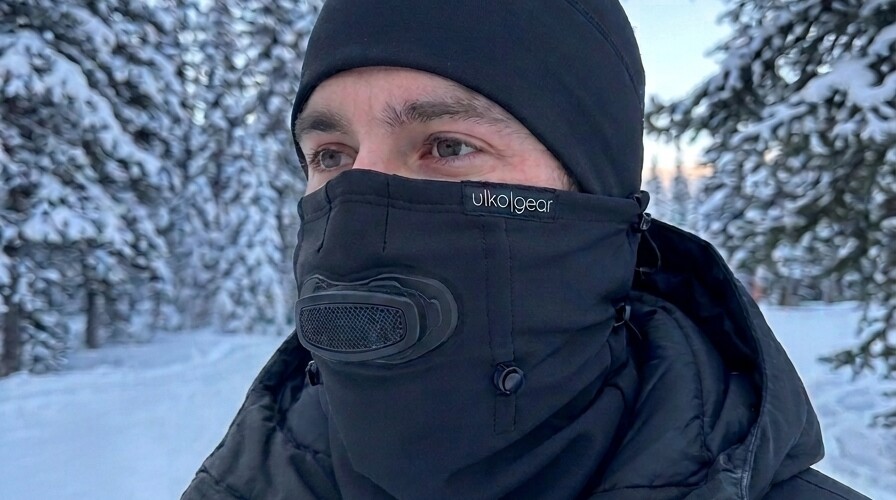
Born in a Minnesota Winter
Credit: Courtesy of Ulko Gear
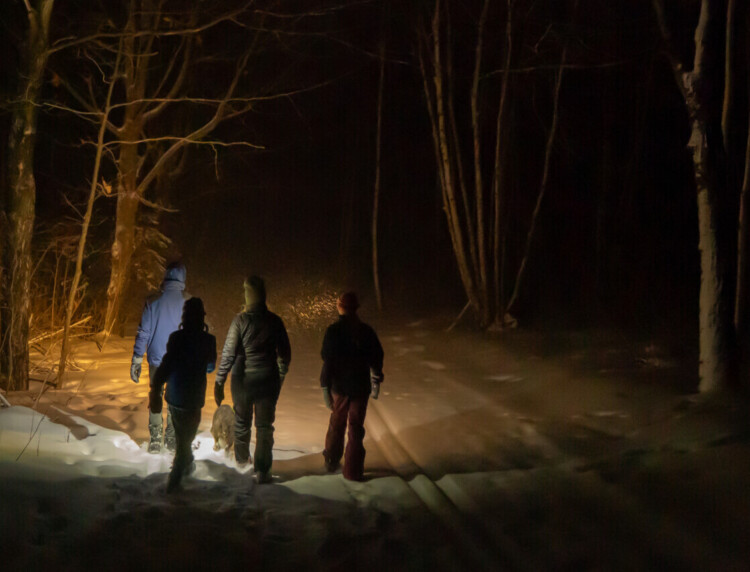
On a bitterly cold night near Jay Cooke State Park in northern Minnesota, Dan and Jolene Beisang headed out on a midnight snowshoe with family and friends. Above them appeared a moon dog — a halo-like glow created when moonlight reflects through ice crystals suspended in the atmosphere.
Running, Nordic skiing, snowshoeing and other cold-weather adventures are part of life for the Beisang family in Duluth. That love of being outside in winter became the foundation for Ulko Gear, the company Dan and Jolene co-founded to help active people stay outside longer and more comfortably when temperatures drop.
Even the name reflects that connection. Ulko is Finnish for “of the outdoors,” and the Duluth-based company draws inspiration from its northern Minnesota surroundings.

For Dan, MD, PhD, a pediatric pulmonologist, that same love of winter raised another question: what does repeated exposure to cold, dry air do to the lungs?
Read More: Snowshoeing Minnesota’s Scenic Bluff Country
What Chronic Cold Air Exposure Means
Most winter athletes know brutally cold air can be hard to breathe. What is less obvious is that respiratory concerns do not begin and end with extreme temperatures.
Dan uses the term chronic cold air exposure to describe the potential effects of repeatedly exercising in cold, dry air.
In his Ulko Gear article “Cold Weather and the Lung,” he reviews research into how the respiratory system responds to those conditions over time.
Normally, air entering through the nose is warmed and humidified before reaching the lower airway. But when exercise intensity rises, people breathe more through the mouth, allowing colder and drier air to reach the airways with less conditioning.
Repeated exposure can irritate the airway lining and trigger inflammation. Research reviewed by Dan also connects repeated cold-air exposure among winter athletes with airway remodeling and an increased likelihood of asthma over time.
The issue is not limited to people who already have respiratory conditions.
“No one is immune to the physical impacts of cold, dry air on the airway,” Dan says. For people with asthma, COPD or other underlying lung conditions, those effects may occur at warmer temperatures than they do for otherwise healthy athletes.
Whether you manage a respiratory condition or simply spend a lot of time exercising outside in winter, understanding chronic cold air exposure can help inform how you prepare for the cold.
This article is for informational purposes only and is not intended as medical advice. Individuals with questions about exercising in cold weather or managing asthma, COPD or another respiratory condition should consult their healthcare provider.
When Cold, Dry Air Becomes a Concern
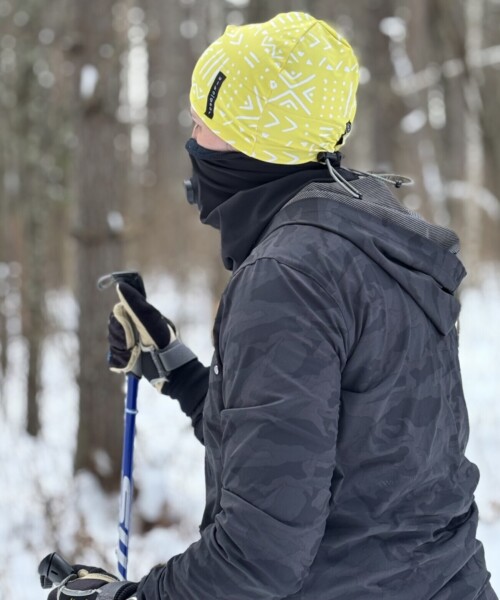
Dan points to a feels-like temperature around 10–15°F as an important range to start paying attention.
Much of the research on chronic cold air exposure comes from cross-country skiing, where athletes exercise hard and spend long periods breathing cold, dry air. Snowshoers can face many of the same conditions.
Breaking trail through deep snow, climbing hills or spending hours outside can raise a snowshoer’s breathing rate significantly, meaning even a recreational outing can involve inhaling a large volume of cold, dry air.
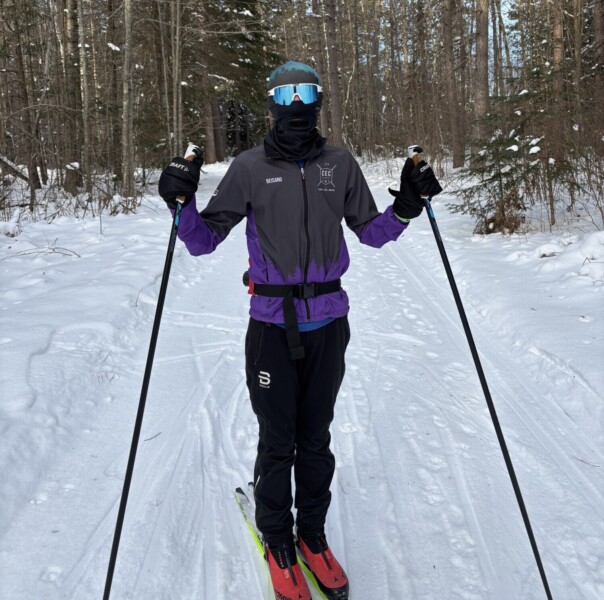
He remembers one single-digit day at the American Birkebeiner cross-country ski trails in Cable, Wisconsin. There, he heard what he describes as a chorus of coughing from skiers coming into the chalet.
It wasn’t a scientific study. Still, to a pulmonologist, it was a memorable reminder that an otherwise ordinary winter day can still be hard on the airways.
Read More: Keep Your Hands, Feet, and Head Warm for Snowshoeing
From Family Problem to Product

Covering the face can help, but Dan and Jolene found that traditional scarves, balaclavas and gaiters could become wet, freeze and feel restrictive during harder exercise.
The cold affects more than the air being inhaled. Cooling the face itself can contribute to airway narrowing, which is one reason Dan recommends covering the mouth, nose and exposed facial skin when conditions turn cold.
Research on heat-and-moisture-exchanging (HME) face masks has also shown benefits during cold-weather exercise.
They began experimenting with a slimmer solution that could warm and humidify incoming air without making it difficult to breathe. Early prototypes were a family effort, with Jolene helping sew and refine designs while Dan used benchtop testing to compare materials and heat-exchanger configurations.
Over roughly three years, testing moved from the workbench to real winter conditions. Winter endurance athletes tried it, including one beta tester who wore an early version during the 350-mile Iditarod Trail Invitational fat-bike race in Alaska, where temperatures dropped to around -20°F. Their feedback helped refine the product’s fit, adjustability and performance.
That work became the Talvi Air Gaiter.
In 2026, Ulko Gear was named runner-up in the General Division of the Minnesota Cup, the University of Minnesota’s statewide entrepreneurship competition, and later showcased Talvi Air at Outdoor Retailer, bringing the brand to a broader outdoor-industry audience.

Talvi Air is manufactured in Minnesota, with other small businesses in the Upper Midwest contributing to its supply chain. Although tested in extreme conditions, Talvi Air was designed for the ordinary cold days that make up an entire winter season.
Read More: Snowshoeing High in the Midwest — Wisconsin, Minnesota, Michigan
How the Talvi Air Gaiter Works
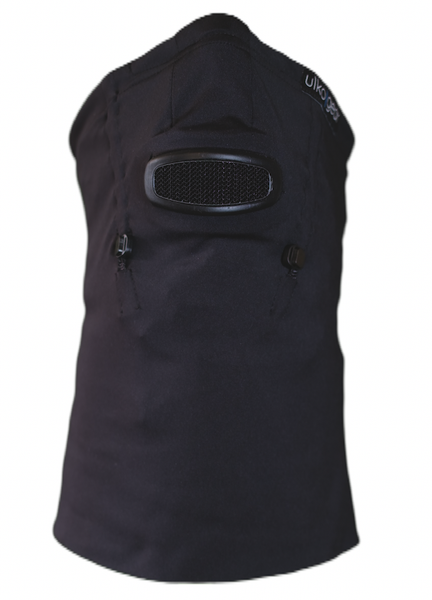
The difference is inside the gaiter.
Talvi Air uses a removable, replaceable, patent-pending heat exchanger insert rather than relying on fabric alone.
When the wearer exhales, the insert captures some of the warmth and humidity in that breath. The stored heat and moisture then help precondition the next breath of cold, dry air.
Ulko designed the Talvi Air Gaiter to warm and humidify incoming air, maintain low breathing resistance and keep the product slim enough for active winter sports.
The gaiter also uses moisture-wicking, wind-blocking fabric, an adjustable fit and a replaceable metal nose piece.
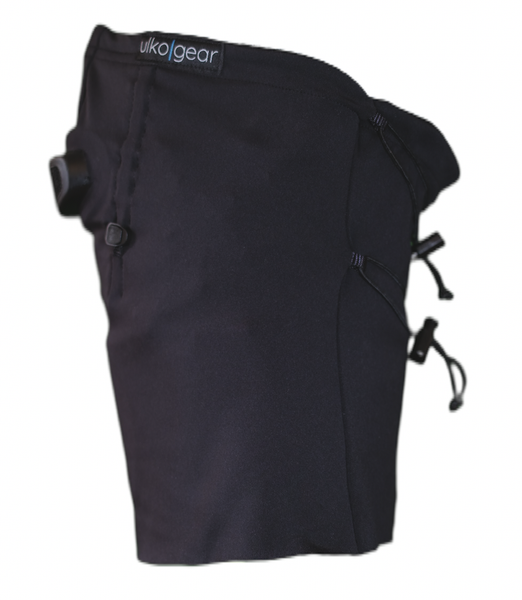
According to Ulko’s own testing, Talvi Air has approximately 10 times lower breathing resistance than a traditional cloth gaiter. The company also reports that its heat exchanger warms and humidifies incoming air more effectively than a traditional cloth gaiter.
Stay Outside Longer
On a trip to northern Wisconsin, Dan joined his brother and their children for a snowshoe trip through Frog Bay Tribal National Park and along Lake Superior — exactly the kind of long winter outing Talvi Air was designed for.
“The more comfortable you are, the longer you can stay outside and the more you can pay attention to the sights and sounds around you — the whole reason you are out there,” he says.
Snowshoers already prepare for winter with traction, boots, layers, hydration and weather protection. Ulko wants chronic cold air exposure — and the air you’re breathing — to become part of that gear check, too.
For the Beisang family, the answer isn’t to avoid a Minnesota winter. It’s to gear up for it.

That idea is reflected in Ulko’s approach to gear engineered for performance — built around the demands of active winter use.
Read More: Northern Michigan and Wisconsin Snowshoeing Treasures
Whether exploring Lake Superior, breaking trail on snowshoes or heading out beneath a moon dog, that philosophy comes together in the Talvi Air 2.0 Gaiter.
Breathe warmer. Stay outside longer.
Ulko Gear sponsored this post.






Leave a Comment